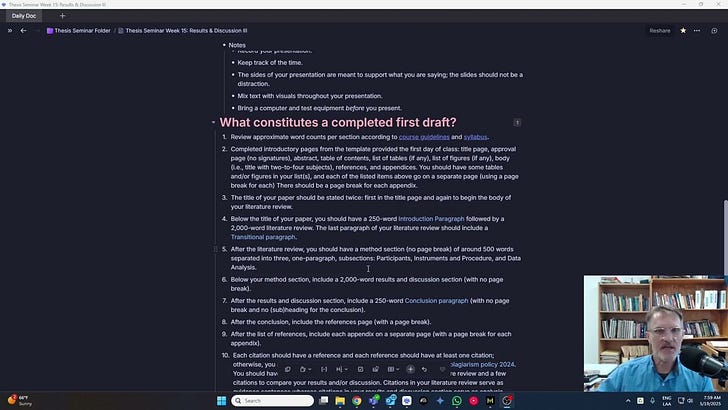
Question: Can we say that most online and semi-distance courses use a flipped learning methodology? since students work the content on their own. What makes them flipped or not flipped?#flippedClassroom #openflip (source) This question inspired today's broadcast, specifically in terms of how students, "... work the content on their own". #openflip Check out OpenFlip Summer 2020 (cMOOC). essential questionHow does flipped learning emerge in a distance learning environment? Microsoft Teams for 100% Distance Learning A1-A2 English language learners Propaedeutic year of a four-year degree program in English language teaching Content taxonomy Conclusion: The goal of any live (synchronous) class (be it online or in-person) is to leverage a content taxonomy in a way that adds the most value in achieving desired results (i.e., learning outcomes). An instructor should help learners move from being dependent to being independent, and finally to being interdependent in terms of using content to demonstrate what they know (i.e., through the six facets of understanding), what they can do (skills), and who they are in terms of a subscribed value system. Attribution Intro/Outro music: Benjamin Tissot (also known as Bensound): https://www.bensound.com/royalty-free-music/track/hip-jazz
ELT Cast
A Content Taxonomy (#openflip)
A Content Taxonomy (#openflip)


ELT Cast
ELT Cast is an educational podcast of shared teaching and learning practices and perspectives as an English-as-a-foreign-language teacher trainer. Topics include 1) becoming a more effective, efficient, and engaging communicator of the English language; 2) discussing how languages are learned; 3) discussing educational theory; and 4) discussing teaching practice. This podcast is for informational and entertainment purposes only. The opinions expressed here are my personal views and do not represent the official position or endorsement of any other entity.
ELT Cast is an educational podcast of shared teaching and learning practices and perspectives as an English-as-a-foreign-language teacher trainer. Topics include 1) becoming a more effective, efficient, and engaging communicator of the English language; 2) discussing how languages are learned; 3) discussing educational theory; and 4) discussing teaching practice. This podcast is for informational and entertainment purposes only. The opinions expressed here are my personal views and do not represent the official position or endorsement of any other entity.Appears in episode

Recent Episodes